In New York City, commercial landscapes operate under constant pressure. Weather shifts quickly. Foot traffic is heavy. Rooftop exposures amplify wind and drainage challenges. And for property managers and facility directors, budgets are tightly structured with little room for reactive spending.
This is where seasonal landscape planning becomes essential.
Seasonal landscape planning is a proactive, year-round strategy that aligns design, maintenance, and plant transitions with NYC’s changing conditions. Unlike standard commercial landscaping that may focus primarily on installation and general upkeep, seasonal planning integrates preventive maintenance, structured seasonal refresh cycles, and long-term landscape scheduling into one coordinated program.
For building managers, the difference is significant. Instead of responding to plant decline, irrigation failures, or emergency replacements mid-season, a seasonal landscape plan anticipates challenges before they disrupt operations.
The result? Fewer surprises. Fewer emergency costs. Greater consistency.
Up next, we’ll break down the key ways seasonal landscape planning helps reduce long-term costs, starting with how a seasonal maintenance schedule helps catch small issues early and avoid disruptive mid-season repairs.
1. Reduced Emergency Repairs Through Preventive Maintenance
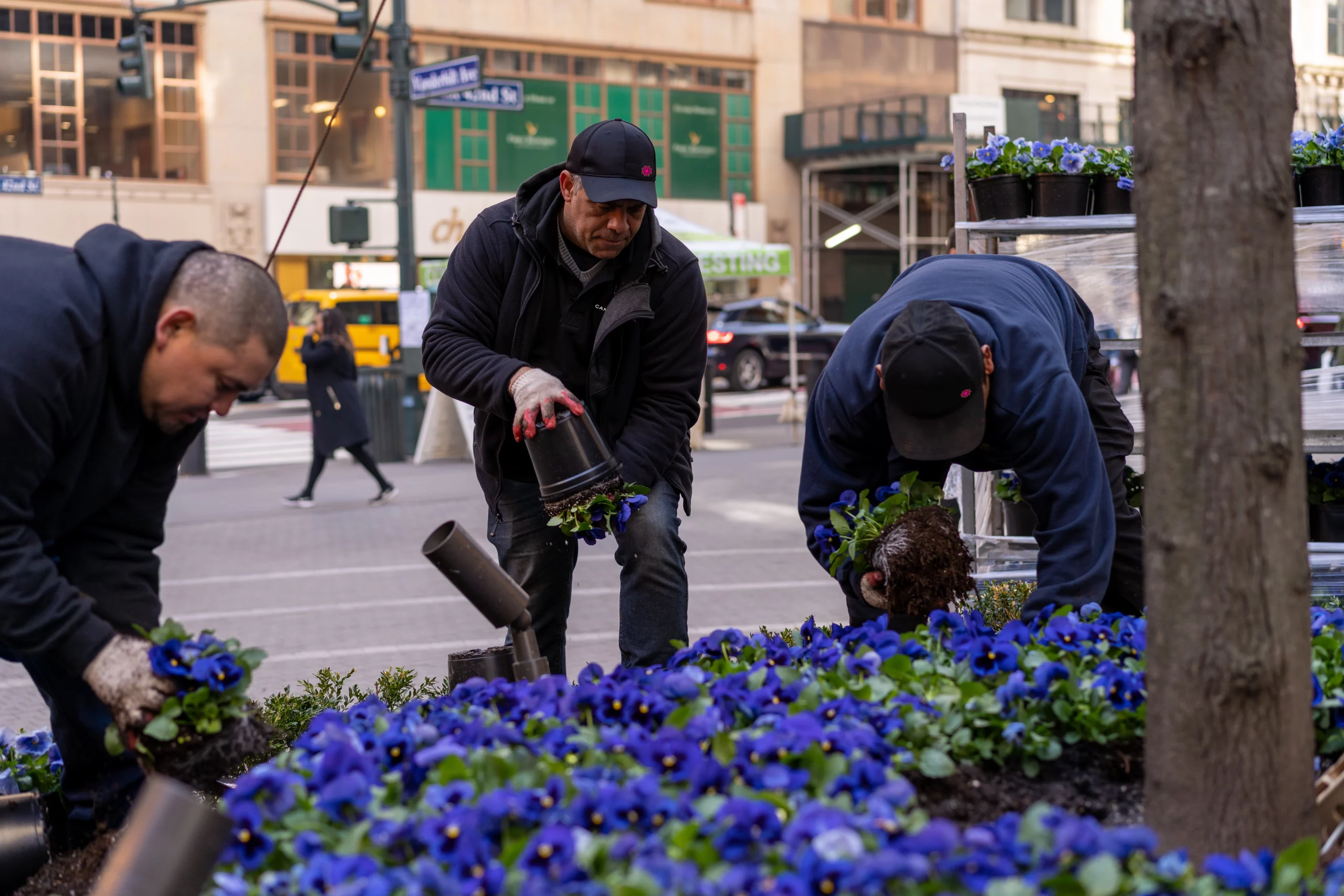
A common challenge for NYC building managers is the unpredictability of outdoor environments. High winds in Midtown corridors, rooftop exposure in Long Island City, heavy rain events, and freeze-thaw cycles can stress even the most carefully installed landscapes. Preventive maintenance addresses these risks before they escalate.
Routine Inspections Catch Problems Early
Regular inspections identify plant stress before visible decline occurs. Early signs of nutrient deficiency, root compaction, or fungal issues can be corrected with minor adjustments rather than full plant replacement.
Seasonal soil testing also plays a critical role. Identifying nutrient imbalances early prevents plant loss and reduces the cost of large-scale seasonal replanting.
Irrigation Monitoring Prevents Infrastructure Damage
Irrigation systems in NYC commercial properties require consistent oversight. Undetected leaks or overwatering can damage hardscape, create slip hazards, and waste resources.
With structured monitoring:
- Leaks are identified before they impact surrounding materials.
- Seasonal irrigation adjustments prevent overwatering during cooler months.
- Winterization protects systems from freeze damage.
The financial difference between a routine service visit and an emergency plumbing repair is substantial. Preventive care stabilizes those costs.
Drainage Assessments Protect Hardscape Investments
Pooling water may appear minor at first, but in NYC’s climate, drainage issues quickly lead to cracked pavers, soil erosion, and root instability.
Early seasonal drainage reviews:
- Prevent hardscape deterioration
- Protect rooftop membrane systems
- Reduce liability risks from standing water
Addressing drainage during scheduled service visits avoids disruptive mid-season construction.
Scheduled Pruning Reduces Storm Damage
In high-wind NYC corridors, unmaintained trees and shrubs are more vulnerable to breakage. Scheduled pruning strengthens structural integrity and reduces storm-related damage.
Proactive pruning costs far less than emergency removals after a major wind event. It also protects tenants and pedestrians from potential hazards.
When preventive maintenance is built into a seasonal landscape plan, emergency callouts decrease significantly. That translates to lower unexpected expenses and fewer disruptions for tenants.
For NYC properties seeking structured, professional oversight, comprehensive commercial landscaping programs provide the foundation for long-term performance.
2. Strategic Seasonal Refresh Planning Reduces Replacement Costs
Many commercial properties treat seasonal plantings as temporary design moments. While seasonal color is important, replacing entire beds every few months is rarely cost-efficient. Strategic seasonal refresh planning takes a different approach.
Rotating Plantings Instead of Replacing Entire Beds
Instead of removing all plant material each season, a well-designed program rotates seasonal elements while preserving foundational plantings.
Hardy shrubs, structural grasses, and perennial anchors remain in place. Seasonal color is layered strategically around them.
This approach:
- Reduces plant waste
- Protects root systems
- Minimizes soil disruption
- Lowers seasonal labor costs
Protecting Root Systems During Transitions
Improper seasonal changeovers can shock plant systems. When root structures are repeatedly disturbed, long-term plant health declines.
Properly timed transitions, aligned with temperature patterns and daylight cycles, minimize stress and extend plant lifespan. For NYC buildings exposed to wind and temperature fluctuations, this timing is especially important.
Designing for Long-Term Durability
At Cambridge, we recommend designing planters and beds with durability in mind from the outset. Incorporating hardy perennials reduces the need for full annual replanting. Selecting materials that withstand NYC’s freeze-thaw cycles protects infrastructure.
Reusable decor and adaptable planting layouts also reduce waste. Planters can be reconfigured seasonally without requiring full redesigns.
The result is a seasonal refresh program that delivers visual impact without resetting the entire landscape each quarter.
A thoughtful seasonal refresh strategy preserves your initial investment while maintaining a dynamic, polished appearance.
3. Landscape Scheduling Improves Budget Predictability
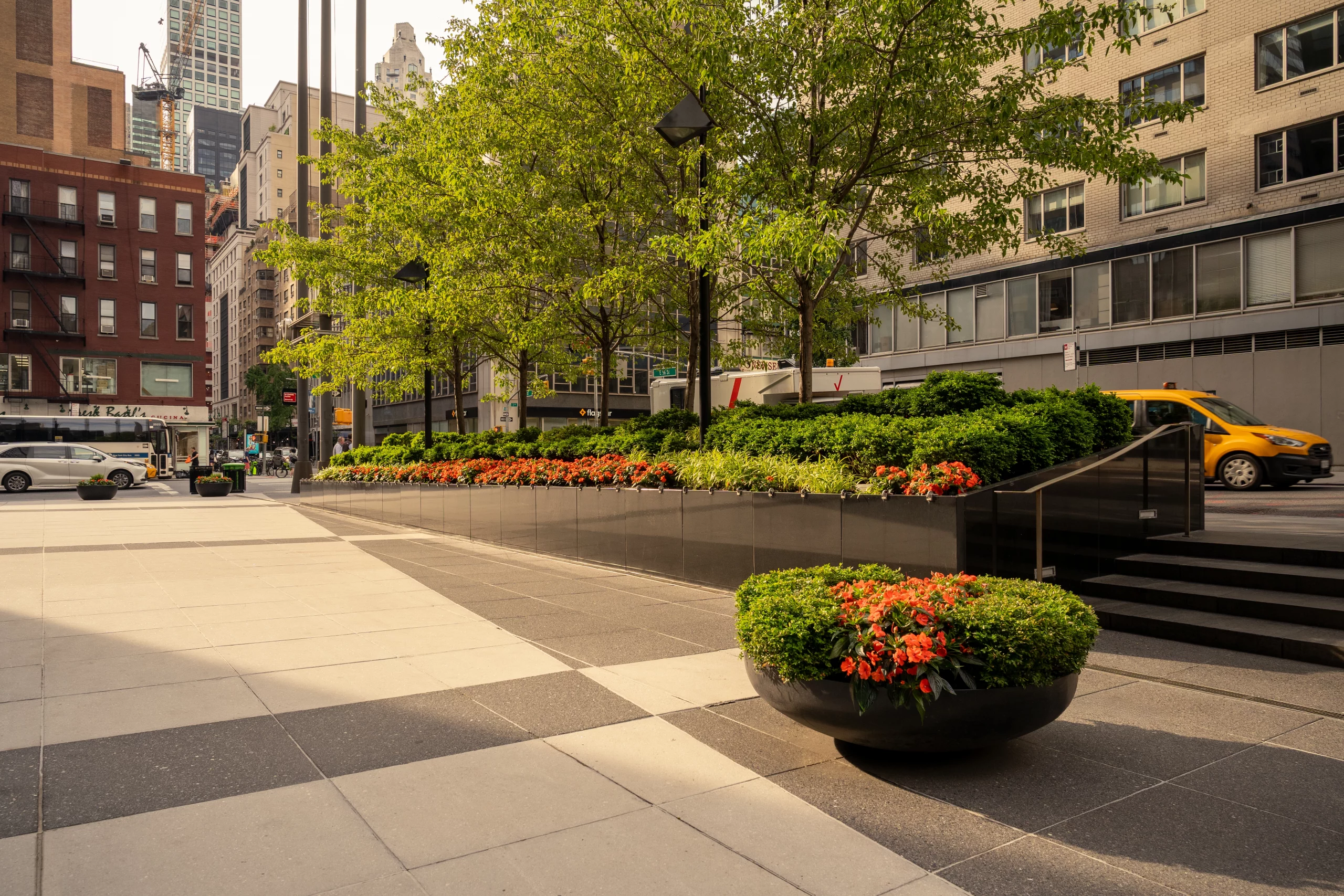
One of the most overlooked benefits of seasonal landscape planning is cost predictability.
For facility directors and asset managers, unexpected landscape expenses can disrupt carefully structured annual budgets. Landscape scheduling helps stabilize spending.
Mapping Maintenance Across All Four Seasons
A year-round schedule outlines:
- Spring soil preparation and planting
- Summer irrigation adjustments
- Fall pruning and transition plantings
- Winter protection and system winterization
By mapping these cycles in advance, labor allocation becomes more efficient.
Avoiding Peak-Rate Installations
Last-minute seasonal changeovers often require rush labor and materials. Advanced scheduling allows properties to secure resources before peak demand periods. This avoids premium rates and reduces logistical stress.
Coordinating Irrigation with Weather Patterns
Seasonal planning integrates irrigation adjustments with projected weather patterns. Rather than reacting to extreme conditions, systems are recalibrated proactively. This reduces water waste and prevents costly system repairs.
Supporting Capital Planning
For asset managers overseeing multiple properties, predictable landscape scheduling supports broader capital planning.
When service timelines and anticipated refresh cycles are clearly defined:
- Annual costs can be forecasted more accurately.
- Landscape upgrades can align with fiscal year budgets.
- Spending spikes are minimized.
Consistent visual presentation across seasons also strengthens brand perception without unpredictable budget swings.
For property teams managing assets across the city, professional landscaping in New York requires this level of structured coordination.
4. Seasonal Planning Extends Asset Lifespan and Protects Property Value

Landscaping is more than a decorative feature. It is part of your property’s asset portfolio.
Seasonal planning extends the lifespan of landscape investments while protecting long-term value.
Extending the Life of Trees and Shrubs
Trees and structural plantings represent significant capital investments. With proper seasonal care:
- Root health remains stable.
- Pruning supports structural strength.
- Soil conditions stay balanced.
This reduces premature removal and replacement costs.
Protecting Irrigation Infrastructure
Scheduled inspections and winterization prevent freeze damage and mechanical failure.
Replacing a failed irrigation system is far more expensive than maintaining it seasonally.
Preserving Hardscape Elements
Unmanaged root growth and drainage failures can compromise pavers, retaining walls, and rooftop structures.
Proactive planning prevents these issues from developing, protecting the surrounding infrastructure.
Maintaining Curb Appeal in Competitive Markets
In NYC’s competitive commercial market, curb appeal directly impacts tenant perception.
A consistently polished outdoor environment:
- Supports tenant retention
- Enhances brand identity
- Signals responsible property stewardship
For hospitality and retail properties, this visual consistency directly influences visitor experience.
Seasonal landscape planning ensures your building never appears neglected between transitions.
Turning Seasonal Planning into Long-Term Savings
Seasonal landscape planning is not simply about plant rotation. It is a strategic operational framework.
- Preventive maintenance reduces emergency repairs.
- Strategic seasonal refresh cycles lower replacement frequency.
- Landscape scheduling improves budget predictability.
- Asset-focused care extends the lifespan of infrastructure and plant investments.
For NYC commercial properties, these combined benefits create measurable long-term savings.
At Cambridge, every seasonal landscape plan begins with a collaborative consultation and site assessment. We evaluate your building’s exposure, tenant needs, design goals, and operational constraints to create a structured program that performs year-round.
If you are ready to transform reactive landscaping into a proactive cost-control strategy, we invite you to contact our landscaping experts to begin planning your next seasonal cycle.
As a trusted commercial landscaping company serving NYC and the surrounding region, Cambridge partners with property teams to design landscapes that are as financially strategic as they are visually compelling.
Thoughtful planning today protects your investment tomorrow and ensures your property performs beautifully, season after season.