
In a competitive urban market like New York City, commercial properties are evaluated long before someone enters the lobby. The exterior environment plays a defining role in how a building is perceived, signaling quality, professionalism, and the experience tenants and visitors can expect inside.
For asset managers and property owners, commercial landscaping is increasingly viewed as more than curb appeal. Landscape branding positions exterior spaces as a strategic extension of a property’s brand identity, supporting a cohesive and intentional experience from the street inward. When thoughtfully designed, landscaping reinforces brand consistency, enhances tenant experience, and contributes to long-term asset value.
In dense, design-forward markets, where many buildings compete for the same audience, exterior spaces offer a valuable opportunity to differentiate. Strategic landscape and exterior design choices help properties stand out while reinforcing trust, credibility, and visual alignment with the brand.
Landscape Branding as a Strategic Asset
Landscape branding refers to the intentional design and management of outdoor environments to reflect and reinforce a commercial property’s brand identity. Rather than treating landscaping as a decorative afterthought, it integrates planting design, materials, layout, and exterior elements into a broader branding strategy.
From a business perspective, exterior spaces influence perception. A cohesive, well-maintained landscape communicates stability, attention to detail, and long-term investment in the property. These cues matter to tenants, visitors, and prospective occupants evaluating whether a building aligns with their expectations and brand standards.
First impressions are often shaped within seconds. Entry sequences, plazas, and street-facing elements serve as the initial touchpoints for the brand experience. When these spaces feel intentional and aligned with the property’s positioning, they establish confidence and reinforce professionalism before any interior interaction occurs.
Translating Brand Identity into Exterior Design
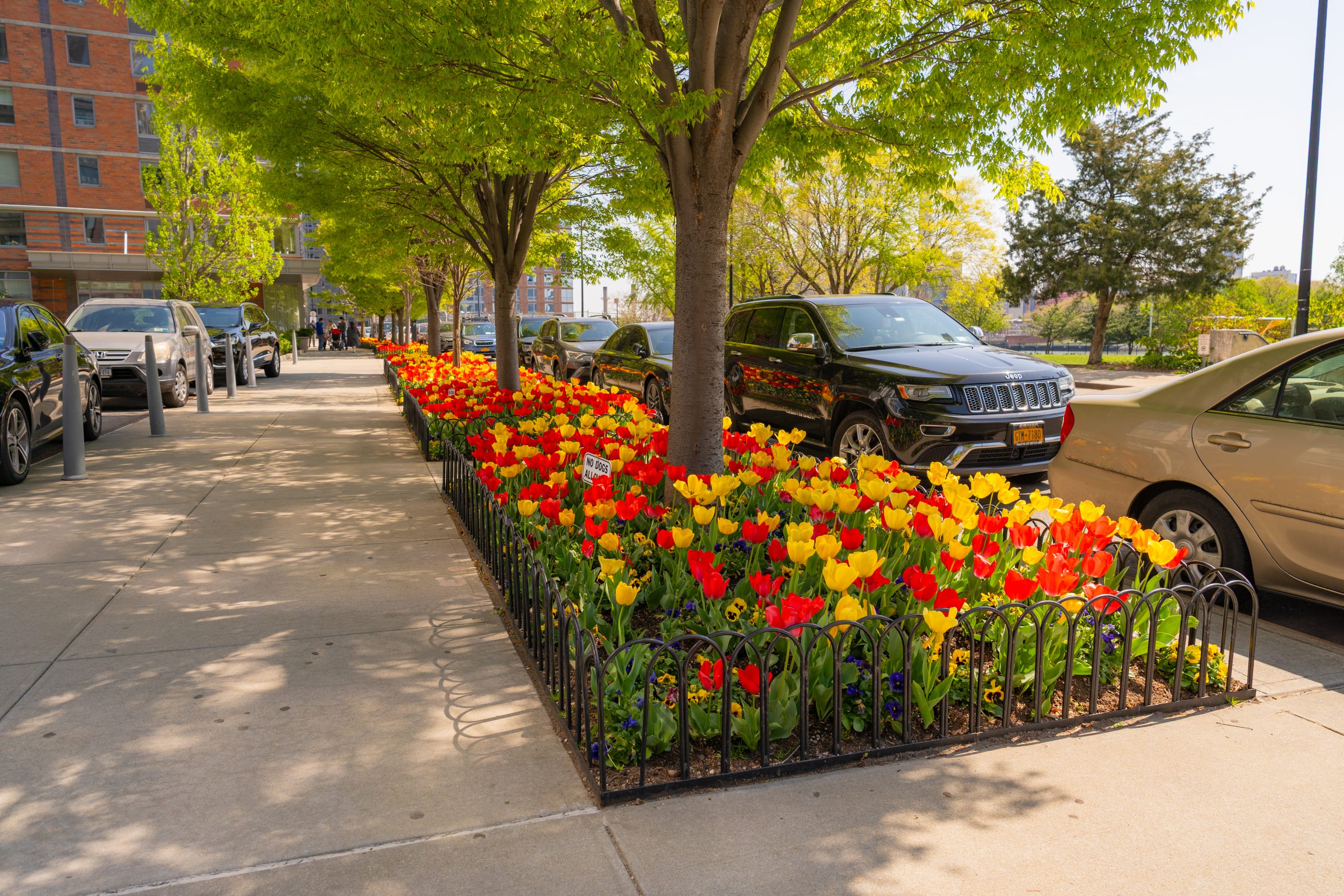
Effective landscape branding begins with clarity around the property’s identity and audience. Brand values, tone, and positioning should guide exterior design decisions just as they guide interior finishes or tenant-facing spaces.
Plant palettes, materials, and layouts can be tailored to express different brand characteristics:
- Corporate and institutional properties often favor structured plantings, clean lines, and durable materials that convey order and reliability.
- Hospitality-driven or lifestyle-focused buildings may incorporate layered greenery, softer textures, and seasonal color to create warmth and approachability.
- Retail and mixed-use environments benefit from visibility-focused layouts, accent plantings, and lighting that enhances street presence and pedestrian engagement.
Hardscape, lighting, signage integration, seasonal elements, and commercial floral designs further reinforce visual consistency. When these components are coordinated across entrances, plazas, rooftops, and perimeter spaces, the exterior environment feels unified rather than fragmented.
Consistency across all exterior zones ensures the brand experience remains clear, intentional, and recognizable, regardless of where or how the property is approached.
Sensory Experience Beyond Visuals
While visual consistency is essential, exterior landscape design also communicates brand identity through sensory experience. Texture, sound, fragrance, and comfort all shape how people feel in a space, often in subtle but lasting ways.
Plant selections can introduce seasonal fragrance, softness, and movement, helping create an atmosphere that feels welcoming rather than static. Trees and layered greenery can help buffer street noise, contributing to a calmer, more comfortable environment in busy urban settings. Shade structures and canopy plantings improve comfort during warmer months, encouraging occupants to linger and engage with outdoor spaces.
Material choices further reinforce sensory cues. Natural stone, wood, and textured hardscape surfaces add tactile depth and signal quality and craftsmanship. Together, these elements influence how exterior spaces are experienced, not just how they are seen.
When thoughtfully integrated, sensory design supports the emotional side of brand perception. It helps exterior environments feel intentional, human-centered, and aligned with the property’s values, strengthening the connection between the brand and everyone who interacts with the space.
Landscape Branding and Curb Appeal Strategy
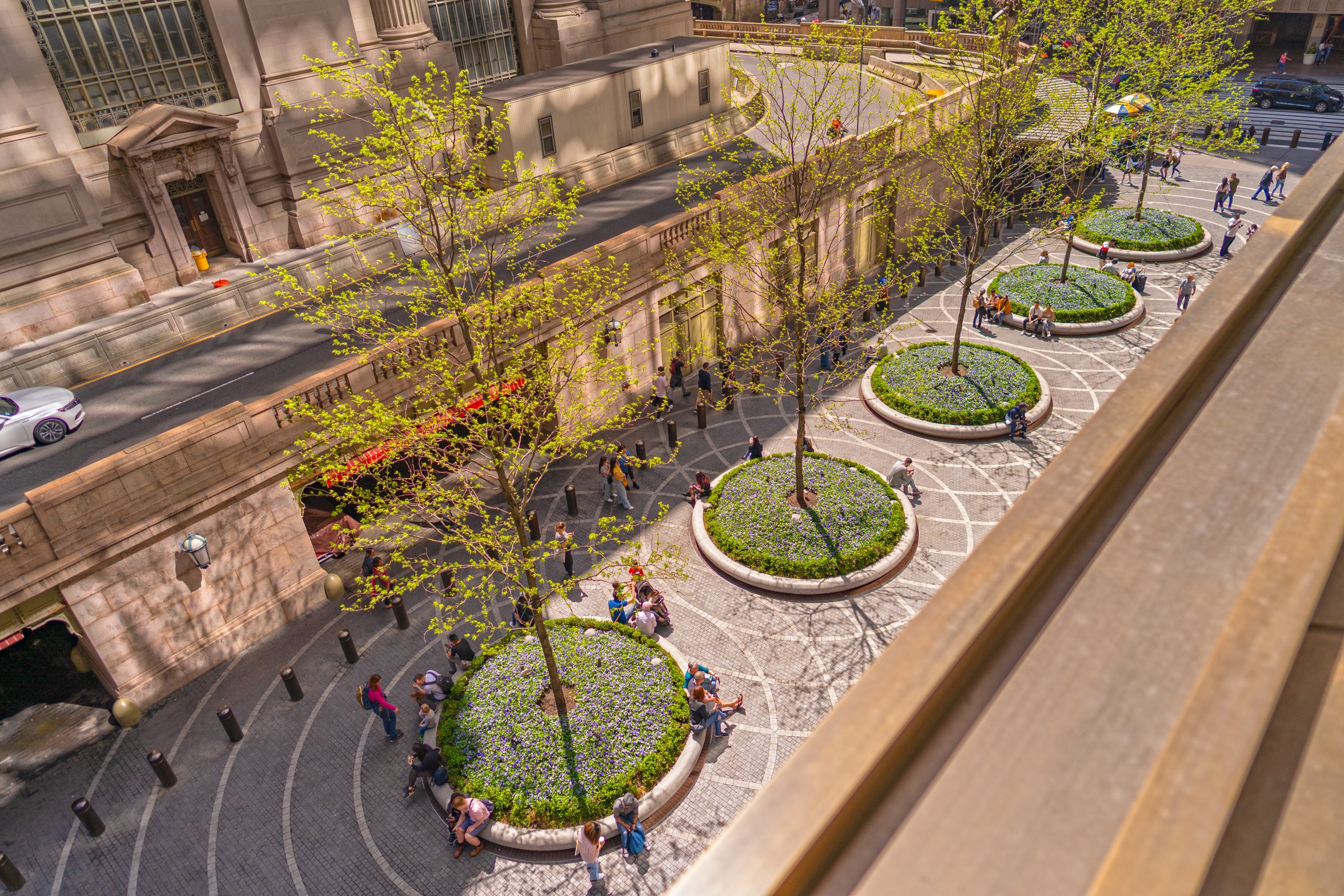
Landscape branding plays a critical role in curb appeal strategy by shaping how a property is perceived at street level. It communicates the quality of the asset and sets expectations for the tenant and visitor experience.
Key exterior touchpoints where branding is most impactful include:
- Arrival and entry sequences
- Sidewalk interfaces and public-facing plazas
- Planters, perimeter landscaping, and fencing
- Integrated lighting and signage
- Street-level sightlines and pedestrian views
Each of these areas contributes to the property’s overall narrative. Together, they signal whether a building feels premium, welcoming, modern, or established. Equally important is consistency over time, as we’ll explore next.
Planning and Maintaining Landscape Branding in NYC Environments
Effective landscape branding starts with design, but its success depends on careful planning and long-term management. In New York City, exterior environments must perform under unique conditions, from limited space and heavy foot traffic to wind exposure, shade patterns, and seasonal weather extremes.
Brand-aligned landscapes should be planned with durability, compliance, and maintenance in mind from the outset. Plant selections must be suited to urban microclimates, hardscape materials should withstand constant use, and lighting and signage integrations must meet local code requirements. These considerations ensure that the exterior brand experience remains consistent and reliable over time.
Ongoing maintenance plays a critical role in protecting brand integrity. Seasonal rotations, regular inspections, and proactive care help prevent the gradual decline that can undermine even the strongest design concept. For asset managers, this level of planning reduces long-term costs while preserving the visual standards that tenants and visitors expect.
Just as importantly, landscape branding is most successful when executed by professionals who understand both design and real-world construction operations, delivering the long-term benefits of professional landscaping through planning, installation, and ongoing care.
At Cambridge, we begin with a collaborative site assessment to evaluate circulation, sightlines, exposure, and maintenance needs, then develop a plan that supports brand goals while working within NYC constraints.
Our team handles professional installation and ongoing maintenance to keep plantings healthy, hardscape clean, and seasonal updates on schedule, ensuring the exterior experience continues to reflect the asset’s quality year-round.
By approaching landscape branding as a long-term operational strategy and partnering with an experienced team to manage it, commercial properties can maintain a strong, recognizable exterior presence that supports tenant experience and asset value year after year.
Supporting Tenant Experience and Property Value
The exterior brand experience directly impacts how tenants interact with and feel about a property. Landscaped environments that are welcoming, legible, and thoughtfully designed improve daily routines, from morning arrivals to informal outdoor use throughout the day.
Well-branded exterior spaces also support engagement. Plazas, courtyards, and rooftops can function as extensions of the workplace or destination, encouraging use and reinforcing a sense of place. These environments contribute to tenant satisfaction and help foster longer-term relationships.
From a value perspective, landscape branding also supports property identity over time. A consistent, recognizable exterior strengthens market positioning, enhances perceived quality, and helps properties remain competitive as surrounding developments evolve.
When landscaping is approached as a long-term strategy rather than a one-time upgrade, it becomes an investment in both tenant experience and asset performance.
Landscape Branding as a Long-Term Asset Strategy

The key takeaway is that landscape branding transforms exterior environments into purposeful extensions of a commercial property’s identity. When design, curb appeal strategy, and maintenance are aligned, landscaping becomes a strategic performance tool that reinforces brand consistency, shapes first impressions, and supports measurable business outcomes.
In complex NYC environments, professional planning, code-compliant installation, and proactive maintenance are essential to long-term success. These factors ensure that exterior spaces continue to perform visually and functionally across seasons and years.
For asset managers and property owners, viewing landscaping through a branding lens unlocks its full potential. With thoughtful design and an experienced partner, exterior spaces can deliver lasting value for tenants, visitors, and the property as a whole.