
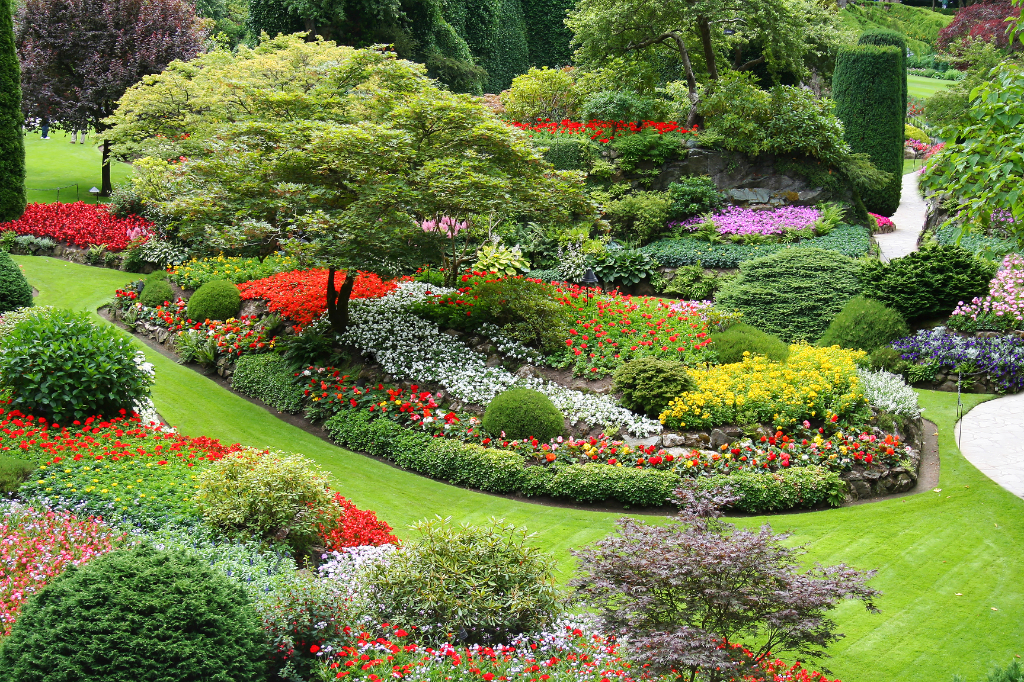
In New York City, where first impressions happen quickly and competition for attention is constant, creating a cohesive outdoor environment is a strategic advantage. For commercial properties, seasonal landscaping plays a crucial role in shaping the experience of tenants, visitors, and customers throughout the year. A coordinated seasonal approach ensures environments feel polished, intentional, and reflective of a building’s identity every month.
Seasonal landscaping is one of the most effective ways to maintain a cohesive aesthetic throughout the year. Understanding what it encompasses, how it supports NYC commercial environments, and how it integrates with floral design and holiday commercial landscaping reveals the impact of a unified, year-round strategy.
What Exactly Is Seasonal Landscaping?
Seasonal landscaping refers to the strategic design, installation, and maintenance of plantings, decor elements, and environmental features that evolve throughout the year. Rather than relying on a single design that fades as seasons change, seasonal landscaping follows a purposeful plan that:
- Introduces fresh color palettes as the seasons shift
- Ensures plant material remains climate-appropriate
- Incorporates durable selections suited to NYC conditions
- Aligns with the building’s architecture and brand identity
- Prepares the landscape for weather events and high-traffic periods
For commercial properties, this approach ensures plazas, entryways, planters, rooftops, and lobbies remain visually engaging throughout the year.
Why Seasonal Landscaping Matters for NYC Commercial Properties
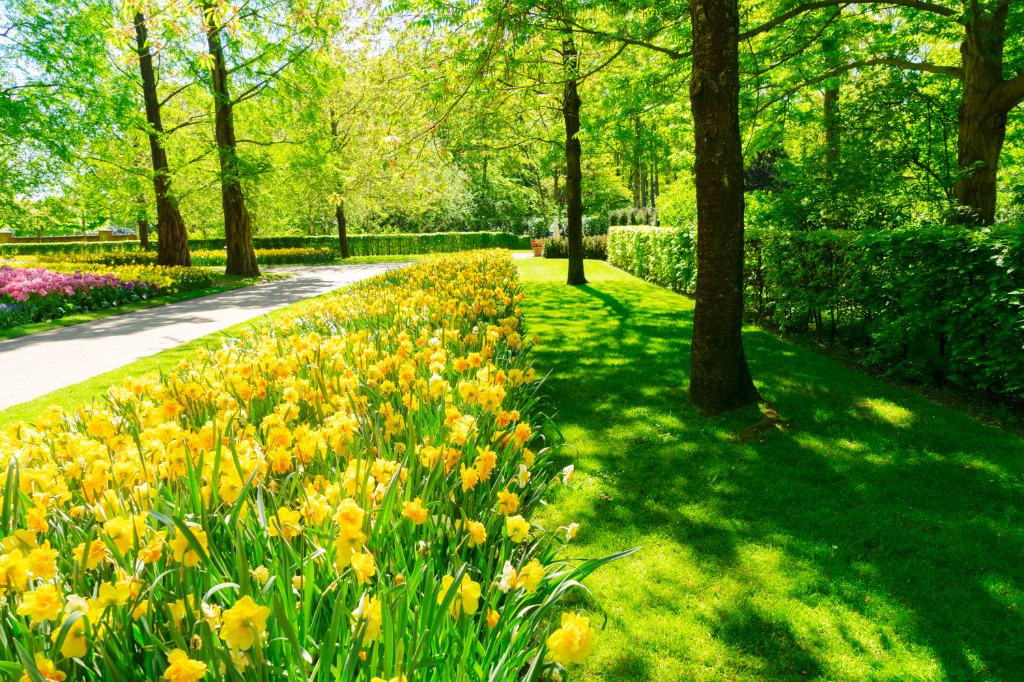
Seasonal landscaping plays a critical role in the performance, perception, and long-term value of NYC commercial properties. In a city where weather, foot traffic, and tenant expectations shift rapidly, maintaining a static landscape simply isn’t practical.
Instead, properties benefit from a year-round strategy that adapts to environmental conditions, reinforces brand identity, and maintains visually engaging exterior and interior spaces. The following points outline why seasonal landscaping is essential in New York City and how a thoughtful, seasonally driven approach helps buildings remain competitive, compliant, and consistently appealing.
1. NYC’s Climate Demands Adaptation
New York’s climate shifts dramatically, moving from humid summers to freezing winters. As a result, static landscaping designs are unsustainable, and plantings that flourish in April may struggle in August heat or during January freeze-thaw cycles.
For NYC buildings, it is especially crucial to select durable materials, opt for native plantings, plan for extreme weather conditions, and ensure that irrigation and drainage systems can meet seasonal demands. These considerations help landscapes remain resilient in the face of rapid temperature changes and ongoing urban wear.
A seasonal strategy allows commercial properties to refresh plant selections in alignment with the realities of NYC weather. It prevents deterioration and ensures each installation remains vibrant, safe, and visually compelling throughout the year.
2. Curb Appeal Translates Directly to Perceived Value
A well-designed landscape instantly communicates professionalism. In high-traffic commercial spaces such as office towers, hotels, retail corridors, and mixed-use developments, consistent seasonal updates elevate the overall experience. These updates enhance brand presence, improve tenant satisfaction, increase perceived property value, and support leasing and marketing efforts.
When building managers invest in a year-round approach, visitors feel a sense of continuity and care. Even a simple transition from spring planters to summer florals signals that the property is managed with intention and attention.
3. Seasonal Design Helps Properties Stay Competitive
NYC properties compete for tenants and visitors every day. Buildings that maintain cohesive, updated outdoor environments gain an edge by standing out visually, especially in hospitality, retail, and corporate settings. To achieve that level of distinction, commercial properties need more than occasional upgrades.
They benefit from a consistent rhythm of enhancements that keep outdoor spaces aligned with weather patterns and the city’s constantly shifting energy. Seasonal landscaping provides a structured framework for these transitions, ensuring the property remains relevant and engaging throughout the year.
In practice, this means making thoughtful, season-specific design choices:
- Spring introduces fresh plantings and early color.
- Summer delivers lush greenery that withstands heat.
- Fall offers warm, textured plantings that reflect the season’s character.
- Holidays feature winter greens and accents that celebrate and transform the space.
This full-year cycle elevates commercial environments and strengthens brand identity, creating a sense of continuity that tenants and visitors immediately recognize.
Integrating Landscaping, Floral Design, and Holiday Decor for a Unified Look
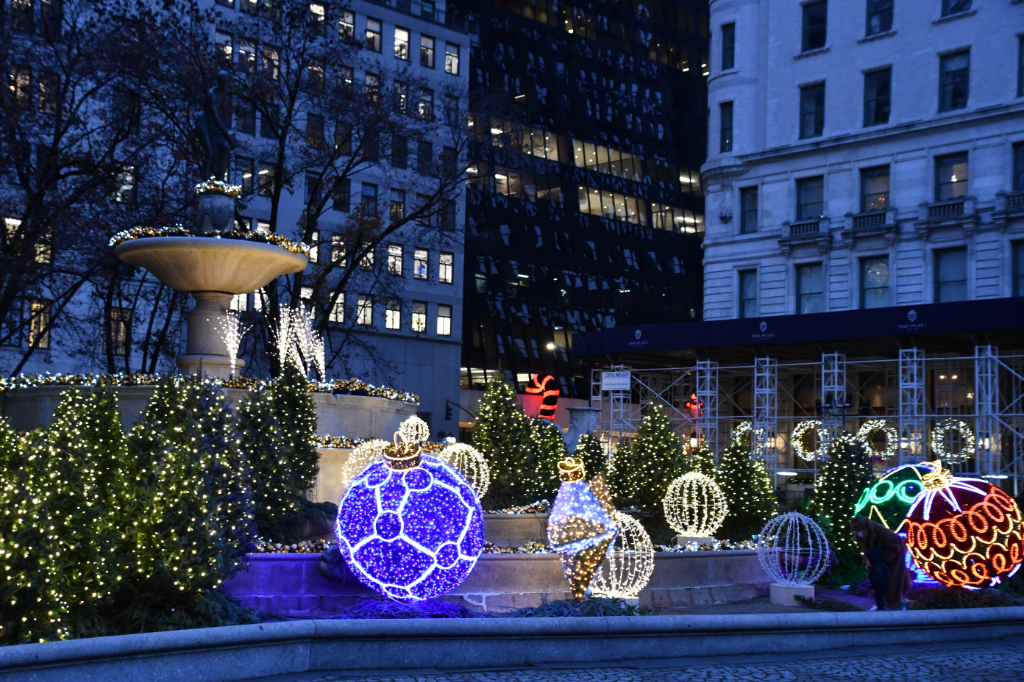
Consistency reinforces a building’s character, no matter the season. While elements such as florals, planters, lighting, and decor may evolve, the overall aesthetic should always feel unmistakably aligned with the property’s brand. Thoughtful integration is what brings this consistency to life.
The most successful NYC properties take a holistic approach, balancing landscaping, floral design, and holiday decor so each season feels fresh while still contributing to a cohesive visual narrative. Here is how these elements work together.
1. A Core Visual Language
Every property carries a distinct identity, whether modern, classic, minimalist, vibrant, or hospitality-driven. Seasonal landscaping should express that identity through color palettes, textures, plant shapes, materials such as planters or lighting, and decorative accents.
For example, a luxury hotel in Midtown may favor deep greens, white florals, and sculptural plantings, while a creative campus in Brooklyn may embrace bold colors and playful textures.
2. Seasonal Adaptations That Stay On-Brand
The goal is not to redefine the space each season. Instead, each shift in weather introduces a new interpretation of the property’s established identity.
- Spring offers early blooms, soft tones, and fresh greenery.
- Summer highlights high-impact color and durable perennials.
- Fall brings rich hues, textured foliage, and ornamental grasses.
- Holidays incorporate sophisticated decor and lighting that elevate the architecture.
Holiday decor is especially influential because it often represents the most dramatic aesthetic change of the year. A thoughtful holiday commercial landscaping strategy ensures that holiday lighting, wreaths, trees, and large-scale installations integrate seamlessly with the property’s everyday look.
3. Design Continuity From Exterior to Interior
In many NYC buildings, exterior planters, entryways, lobbies, and elevator banks exist within a single visual experience. When seasonal landscaping and floral design are coordinated, the transition feels intentional and polished.
- Spring florals outside may echo lobby arrangements.
- Summer rooftop plantings can reflect the plaza’s palette.
- Fall harvest elements may complement interior textures.
- Winter plantings and displays can align with custom indoor holiday trees and wreaths.
This continuity strengthens brand identity and creates a cohesive impression from arrival to entry.
4. Long-Term Maintenance and Operational Efficiency
Consistency is not only aesthetic; it is also operational. A cohesive seasonal strategy streamlines maintenance schedules, simplifies budget planning, and enhances coordination of materials and equipment. Storage needs, especially for holiday decor, become more organized and predictable. This structure supports long-term durability, ensuring that each installation transitions smoothly into the next season.
The Business Impact of a Year-Round, Seasonal Approach
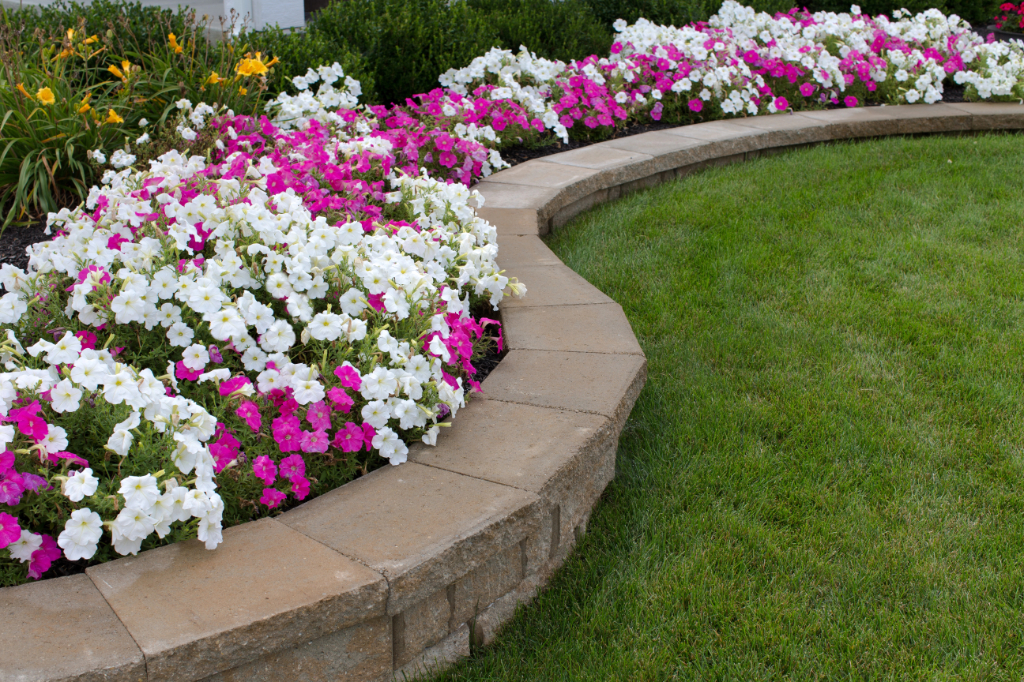
Seasonal landscaping is not simply decorative. It is a strategic asset that enhances NYC commercial properties in several meaningful ways.
1. Enhances Tenant and Visitor Experience
Vibrant plantings and cohesive decor create memorable moments, improve atmosphere, and encourage engagement.
2. Strengthens Brand Identity
A consistently curated environment communicates stability, care, and professionalism.
3. Supports Sustainability
Seasonal refreshes allow the introduction of native plants, reusable decor, energy-efficient LED lighting, and weather-resistant materials, all of which support long-term environmental responsibility.
4. Improves Safety and Compliance
With NYC’s strict codes and unpredictable weather, professional seasonal planning ensures that installations, from fall displays to holiday lighting, remain compliant, safe, and durable.
Seasonal Landscaping as a Strategic Advantage
From spring blossoms to winter plantings, seasonal landscaping is one of the most effective ways for NYC commercial properties to maintain a unified, professional aesthetic throughout the year. It reinforces brand identity, elevates tenant and visitor experience, and supports ongoing building operations.
When integrated thoughtfully with floral design and holiday decor, seasonal landscaping becomes a year-round storytelling tool that keeps your property visually consistent, engaging, and aligned with your organization’s essence. Whether preparing for summer foot traffic or planning a sophisticated holiday transformation, a cohesive, strategic approach ensures that every season reflects the very best of your building.
If you’re ready to rethink how your landscape evolves throughout the year, our designers would be happy to help you explore a cohesive, season-by-season approach.