
Many business owners in NYC only consider their landscaping in the spring and summer. This is understandable, but it is also a mistake that means they miss out on opportunities for year-round curb appeal, visual interest, tenant satisfaction, marketing impact, and even sustainability improvements.
In this post, we will show you the amazing benefits that seasonal landscape design can have for commercial NYC properties and how you can use them most effectively.
Imagine a Midtown office plaza that blooms with color in spring, provides shade from the hot sun in summer, glows with fiery foliage shades in fall, and creates a cozy feel with evergreens in the winter. This is what a seasonal landscaping strategy can achieve.
Why Seasonal Landscape Design and Plant Rotation Matters for Commercial Properties
Rotating year-round planting can improve tenant satisfaction for residential buildings and visitor perception in retail, hospitality industry, and other commercial businesses. Seasonal landscape design gives your property the feel of being active, vibrant, and cared for. It creates a positive first impression of creativity, excellence, attention to detail, and pride in your space, which can drive foot traffic and increase retention.
Seasonal plantings can also give you a competitive advantage when it comes to attracting tenants or customers. Properties that look beautiful and colorful throughout every season stand out in listings and make passers-by more likely to pause and take a look.
Planning a strategic approach to seasonal plantings for your commercial landscape is cost-effective. It reduces the need for emergency replacements and eliminates unnecessary redesigns. When you know a year in advance how your space will look for every season, you can get back to what you do best: running your business.
Spring Strategies: Rejuvenation & Color
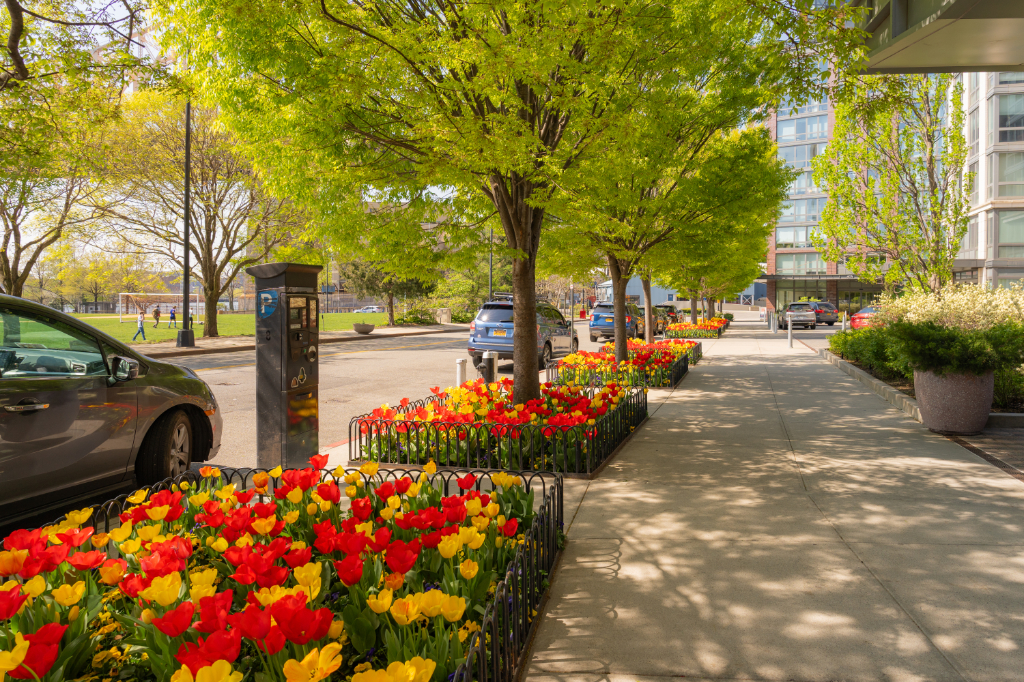
Getting ahead of the game for spring can set the tone and set you up for success throughout the rest of the year. Prepare the soil for planting by removing weeds, dead plants, and debris, then dig or turn the soil to break it up and allow it to “breathe.”
Mulching, or covering your soil with a layer of another material , compost, wood chips can also help to improve soil quality and protect emerging roots. Select the correct type of mulch for your soil, seeking professional advice if necessary. Spread it evenly, leaving a small gap for tree trunks or plant stems.
Plant early spring bulbs such as tulips and daffodils to add a visual pop of color before summer’s leafy canopy emerges. You can also integrate and layer any late-season perennials from the previous year for a beautiful continuous bloom.
Summer Maintenance & High-Impact Planting
In the hot and dry New York summers, heat-tolerant annual plants and drought-resistant perennials such as salvias and ornamental grasses are an ideal choice for commercial landscapes.
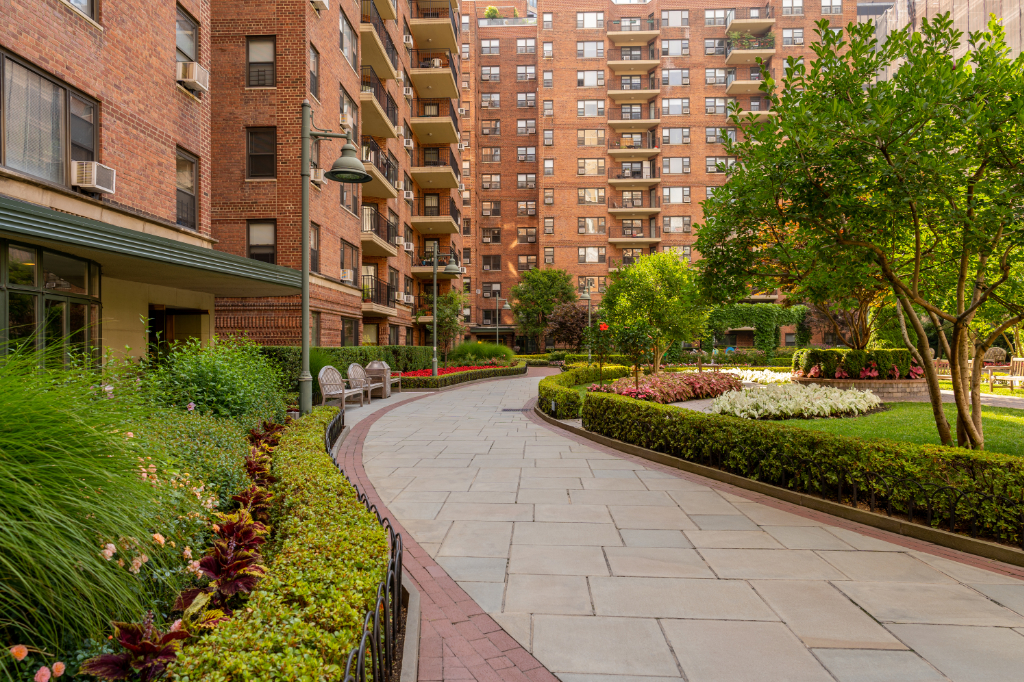
Shade-providing trees and shrubs can reduce the urban heat island effect (in which major urban areas experience higher temperatures than surrounding rural areas), and keep your outdoor space more comfortable for visitors and tenants.
During the summer, irrigation scheduling is essential. Early morning watering, between 4 AM and 10 AM, reduces evaporation and allows the plants to absorb more moisture before the summer heat dries it up.
Fall Transitions: Texture & Interest
There is a reason New England is world-famous for its fall colors. Businesses in NYC can make the most of the fiery beauty of the changing leaves by incorporating trees and plants such as maple, Japanese barberry, and ornamental grasses reaching their peak.

Finally, you will need to consider whether or to what extent you should cut back your perennial plants. While trimming them can keep things tidy, we advise against cutting them back too far. In particular, leaving seed heads can attract pollinators and offer added visual interest during the winter months.
Winter Considerations & Structural Elements
As winter approaches, your thoughts may turn to seasonal and holiday displays. Consider incorporating evergreens such as mugo pines, blue star junipers, and red twig dogwood, as well as winter ornamental grasses for year-round beauty and appeal.
Hardscape accents such as planters, decorative mulch, and boulders can help your space maintain visual appeal even under snow.
Finally, winter is the perfect time to plan next year’s plantings.

Bringing It All Together: Crafting an Annual Planting Calendar
The biggest key to annual planting success is planning and taking a strategic approach. With professional help if necessary, create a month-by-month breakdown of your landscaping plan. Include planting windows, any essential maintenance tasks, and regular inspections.
Planning ahead can also help you to budget more effectively. When you view your landscaping as a year-round endeavor, you can appropriately allocate funds for both the peak planting seasons of spring and summer and off-season upkeep in the winter.
Don’t forget to determine what success looks like for you and how you will measure it. The metrics and key performance indicators (KPIs) you choose will depend on your primary goals for your landscaping. Some possible ways to measure impact might include tenant satisfaction surveys, landscaping costs, water usage metrics, total footfall, customer dwell time, or social media engagement.
Cambridge: Beautifying NYC One Commercial Landscaping Project at a Time
Businesses here in NYC have a unique challenge when it comes to landscaping for commercial buildings. Seasonal extremes, from sweltering summers to freezing, snowy winters, can make it challenging to keep a commercial landscape beautiful all year round. That’s why a strategic and thoughtfully planned approach is vital.
When done right, seasonal plantings can transform aesthetic appeal, yield long-term savings, improve a company’s sustainability profile, and boost tenant or customer satisfaction.
If you are ready to learn more about taking a strategic and year-round approach to seasonal commercial landscaping in NYC we offer a complimentary consultation, which you can book here.